
AI Token Cost Allocation: Meters to Product Ownership
Your CFO forwards the cloud bill with one line above it: AI spend is up again, what changed? You open the cost console. You can see the model. You can see input tokens, output tokens, and a total that is accurate to the cent. What you cannot see is which product feature made those calls, which team shipped it, or whether the spend earned anything back.

Why Most Startups Fail at Scaling Infrastructure (And How to Avoid It)
Your product just got picked up by a few thousand new users over a weekend. Maybe it was a Product Hunt launch. Maybe a newsletter mention that went wider than expected. The team is celebrating. Then Monday arrives, and your on-call engineer is getting paged every 20 minutes because the app is throwing 503s under load it was never built to handle.

Why Your Cloud Performance Problem Might Be a Cost Problem (And Vice Versa)
You hit a familiar wall around $2M ARR. The product is slow. Pages take longer to load than they used to. APis occasionally time out under load. Customer complaints have started showing up in support tickets. So you do what most engineering teams do:
Cloud Cost Basics Every Startup Must Know (2026 Guide)
You launched on the cloud. Growth is good. Customers are paying. Then you open your last AWS bill, and something does not feel right.

Signs Your Startup Has Outgrown Its Infrastructure (And What to Do Next)
Deployments that once took minutes now take hours. Your database buckles under midnight traffic spikes. Your team spends more time fighting infrastructure fires than building features. And your cloud bill? It's becoming your second-largest expense after payroll.

FinOps Multi-Subscription Framework: Managing Cloud Costs Across Complex Environments
Learn how organizations manage cloud cost visibility and governance across multiple subscriptions using a FinOps multi-subscription framework.

Website Conversion Blueprint for High-Performance Digital Platforms
Many businesses invest heavily in driving traffic to their websites through SEO, paid advertising, and social media campaigns. While these efforts successfully increase visitor numbers, they often fail to produce meaningful business results.

CI/CD Efficiency: How Pipeline Design Impacts Infrastructure Spend
Continuous integration and continuous delivery (CI/CD) pipelines are the backbone of modern DevOps workflows. They automate the process of building, testing, and deploying applications, enabling engineering teams to release features quickly and reliably.

Cloud Hygiene Framework: The First 20% Cloud Cost Savings Playbook
Cloud infrastructure grows quickly as organizations adopt modern DevOps practices. Engineering teams continuously deploy new services, create development environments, and provision storage or compute resources to support product development. The flexibility of cloud platforms allows organizations to innovate rapidly, but it also introduces operational complexity.

How FinOps Brings Finance, Engineering, and Operations Together
Finance couldn't understand why cloud costs kept growing. Engineering couldn't understand why every optimization request felt like an accusation. Operations couldn't understand why they were stuck mediating between teams speaking different languages.

How Secure Web Development Protects Your Brand Reputation
Customers judge your brand by website security instantly. Secure web development isn't just protection, it's reputation management. Learn why security must be built in from day one.

Cloud Readiness Checklist for Mid-Size Enterprises
Cloud migration without a readiness checklist is expensive guesswork. You're betting infrastructure investments on assumptions. Hoping your current systems will translate smoothly. Crossing your fingers that security won't become a compliance nightmare. Mid-size enterprises don't have the budget cushion to fix cloud mistakes after the fact.

5 DevOps Bottlenecks Slowing You Down (And How to Fix Them)
Your DevOps setup isn't slow because your team is incompetent. It's slow because you're fighting invisible friction. And most teams don't see it until delivery grinds to a halt. You've invested in tools. You've hired talent. You've adopted the frameworks everyone swears by.

What Netflix, Duolingo, and Notion Teach Us About Behavioral Design
Choice fatigue is real. Yet Netflix gets you to binge three episodes. Duolingo makes you open their app daily. And Notion makes productivity feel pleasurable. They aren’t just lucky. They’re behavior architects.

How to Build Websites That Scale Beyond a Million Visitors
Reaching one million visitors is a milestone few websites achieve. But holding onto them, and handling the next million without crashing, slowing down, or breaking apart, is an entirely different challenge.

How DevOps Accelerates AI Product Delivery Cycles
Every company wants an AI product, but few can ship it fast enough to stay relevant. Models train for weeks, data pipelines break overnight, and deployment cycles crawl behind business timelines. That’s where DevOps reshapes the game.

Multi-Cloud FinOps: Cost Visibility for AWS, Azure & GCP
The cloud was supposed to make everything simpler. Pay only for what you use. Scale when you need. Grow without limits. Then came the bill. It wasn’t one bill, actually, it was three. One from AWS, another from Azure, and a third from Google Cloud. All using different pricing models, billing structures, and resource names.

How AI Is Remodeling Software Architecture and System Design
Software architecture is the backbone of every modern application. However, with growing complexity, global scalability demands, and real-time user expectations, traditional approaches are reaching their limits.

How Smart UX Design Can Double Your Website Conversions
Your website is getting traffic, but visitors aren't converting into customers. Sound familiar? You're not alone. The average e-commerce conversion rate hovers around 2-3%, meaning 97-98% of your website visitors leave without making a purchase. But what if small changes to your user experience design could dramatically improve those numbers?

7-Step Cloud Migration Framework for Business Success
Moving to the cloud is no longer just an IT decision, it’s a business transformation. The right strategy can help organizations cut costs, increase flexibility, and unlock innovation. But without a structured plan, migration often leads to downtime, budget overruns, and security gaps.

FinOps Best Practices for Early-Stage SaaS (Under $1M ARR)
Cloud computing has transformed how businesses scale, innovate, and deliver digital services. But with great flexibility comes a new challenge: managing cloud costs.
How AI Can Optimize DevOps Workflows
The intersection of artificial intelligence and DevOps is creating unprecedented opportunities for organizations to streamline their software development and deployment processes.

Why It's Time to Shift from Cost Optimization to Innovation
Cost optimization has dominated business strategy for the past several years, driven by economic uncertainty and competitive pressure to maintain profitability. Companies across industries have focused relentlessly on reducing expenses, streamlining operations, and eliminating perceived inefficiencies. While cost management remains important, this singular focus creates long-term consequences that are detrimental to sustainable growth and competitive positioning.

10 Signs Your Website is Driving Customers Away
Your website receives thousands of visitors each month, but conversion rates remain stubbornly low. Traffic analytics show promising numbers, yet sales figures tell a different story. The disconnect between visitor volume and revenue generation often points to critical website issues that systematically deter potential customers from completing desired actions.
Progressive Web Apps vs Native Apps: Performance, Cost & UX Analysis
Mobile strategy may be the difference between the success or failure of your business. As mobile traffic meets more than 55% of global web usage, one of the most critical decisions the development teams will have to take between Progressive Web Apps and native apps. The decision influences not only experience in use but also the cost of development, time to market and subsequent care requirements.

Complete Guide to Cloud Data Protection and Security Controls
Data breaches cost companies an average of $4.45 million per incident, with cloud misconfigurations accounting for nearly 30% of all security incidents.

How to Measure DevOps Success with the Right KPIs
Your development team just shipped another release. Code flows through your pipeline, tests pass, and deployment completes without incident. But here's the question that keeps engineering leaders awake at night: Are we getting better?

Top 10 Web Development Trends to Watch in 2025
Web development field continues to evolve at breakneck speed, with 2025 bringing transformative changes that will reshape how we build and experience digital applications. From artificial intelligence becoming a co-pilot for developers to Progressive Web Apps reaching new heights of sophistication, this year promises groundbreaking shifts in technology and user experience.

How Cloud Computing Enhances Business Continuity
Understand how cloud computing significantly improves business continuity, enabling uninterrupted operations and rapid recovery. Explore comprehensive cloud solutions at Techieonix.

The DevOps Lifecycle Explained: From Planning to Monitoring
DevOps has transformed how organizations build, deploy, and maintain software applications. This methodology bridges the gap between development and operations teams, creating a continuous cycle of improvement that accelerates delivery while maintaining quality and reliability.

Top 18 UX Design Principles That Boost Conversions
Every great website or app has a secret ingredient that keeps users engaged and coming back for more: exceptional UX design. Excellent user experience isn't simply about aesthetics or flashy interfaces. Great UX design smoothly guides users toward a specific goal, usually a conversion like making a purchase, signing up, or downloading content. The difference between average UX and outstanding UX often directly translates to higher conversion rates.

Branding for Startups vs. Enterprises: What You Need to Know
Branding isn’t just a logo or a catchy tagline—it’s the emotional and visual thread that ties a business to its customers. Whether you’re running a nimble startup or steering a large enterprise, the rules of branding shift depending on your size, audience, resources, and goals. Understanding these shifts is key to building a brand that sticks.
Why a Specialized Software Development Company for AI, Cloud & DevOps Makes All the Difference
Businesses everywhere are racing to adopt technologies like artificial intelligence (AI), cloud computing, and DevOps practices. These are no longer just tools for tech giants — they’re reshaping how companies of all sizes work, deliver value, and stay competitive.
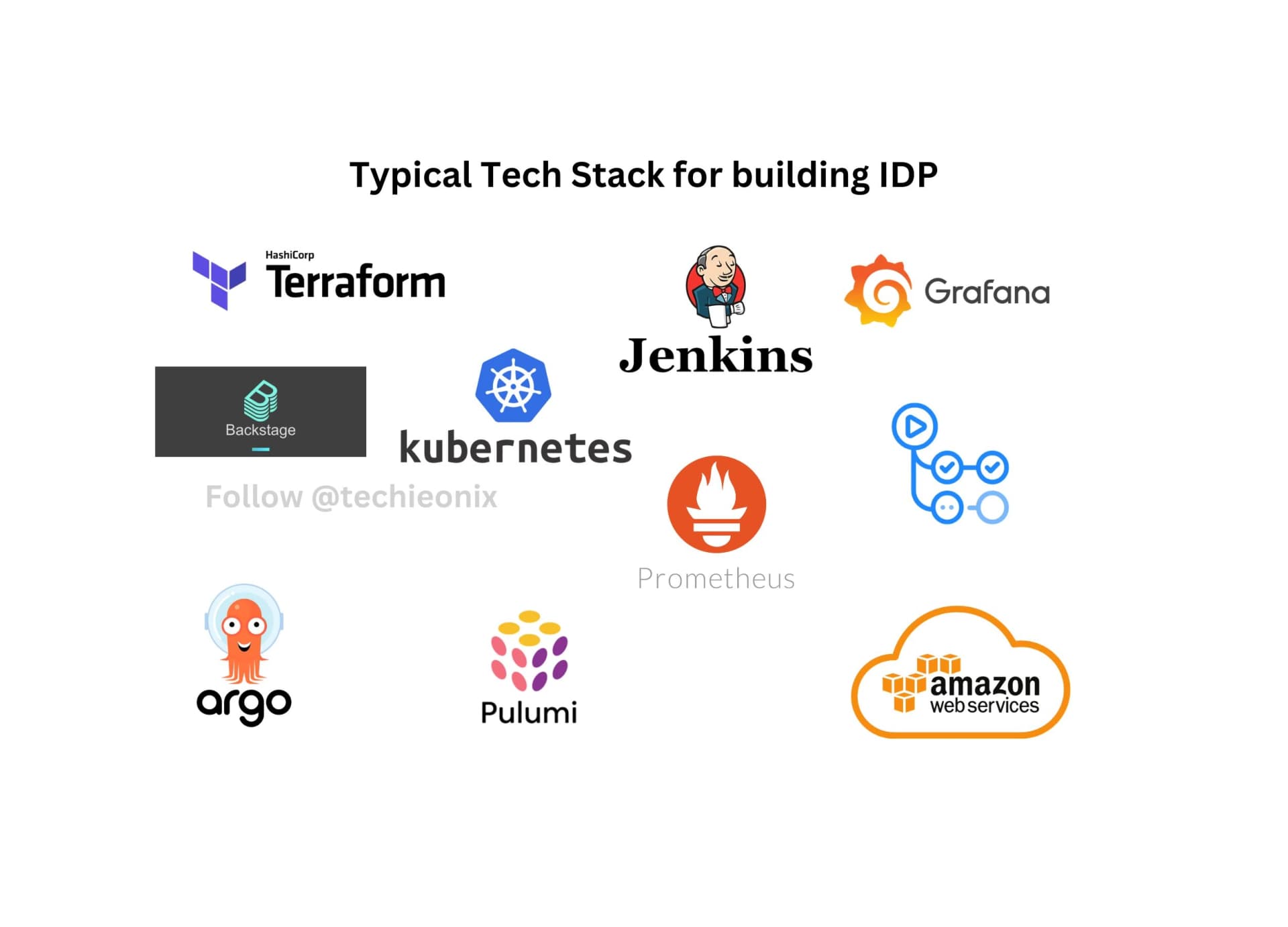
Platform Engineering: Simplifying Microservices with IDP Integration
Deploying microservices can be a big challenge for development teams. Instead of focusing on building new features, they spend too much time on tasks like setting up infrastructure, managing pipelines, and meeting compliance rules.

Microsoft Azure AI Services: Revolutionizing Intelligent Applications
In today’s technology-driven world, Artificial Intelligence (AI) is at the heart of innovation, transforming businesses and driving efficiency. Microsoft Azure, a leader in cloud computing, offers an extensive range of AI services designed to empower developers and organizations to build smart, scalable, and efficient applications.
Crafting the Frontend for a MERN-Based User Management System
For building a modern frontend, requires the right tools and a clear process. In this guide, we’ll explore how to create a sleek and interactive user interface using React for component-based development and Tailwind CSS for streamlined styling.

Backend Basics for a MERN User Management System
MERN (MongoDB, Express.js, React, Node.js) is a powerful technology stack that covers both frontend and backend needs, making it ideal for full-stack developers looking to build dynamic and scalable application.

Leveraging Pre-trained AI Models and Frameworks
Imagine using an application that knows exactly what you’re interested in, suggests products you love, and even adjusts to your preferences over time. This is the power of AI in web applications, which turns static content into into interactive user experience, according to your your preferences.

AI Based on Application Domains
Imagine sitting down with a machine that can create anything you want—a poem, a painting, or even a song. Sounds like magic, right? That’s the power of Generative AI.
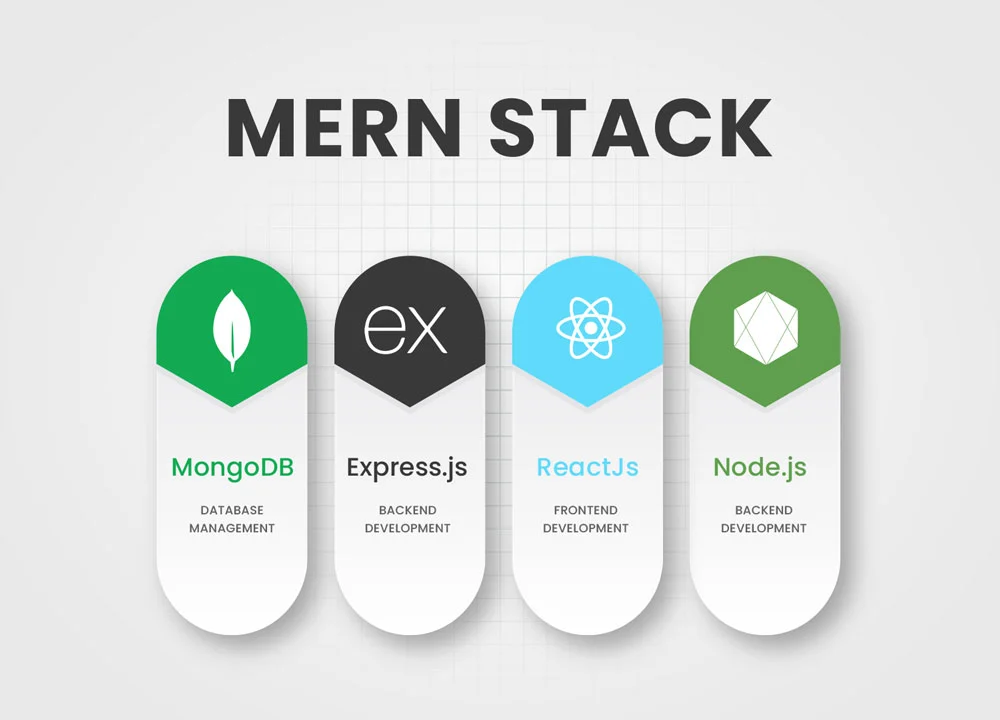
Discovering the MERN Stack: A Starter's route to Full-Stack JavaScript
Have you considered how top platforms are built? Hashnode is powered by the MERN stack, while giants like Facebook and Netflix utilize React and Node.js for dynamic frontends and robust backends.

AI Evolution: From Chatbots to Super Intelligence
Ever wondered how machines are learning to think, adapt, and even act like humans? 🤔 From self-driving cars to voice assistants like Siri and Alexa, Artificial Intelligence (AI) is transforming industries and the way we live.

Pathways In AI
In AI, 'Pathways' often refers to a structured approach to building AI systems that can handle many different tasks and keep getting smarter over time.

The Potential Benefits of Web3.0 for the Pharmaceutical Sector
Web3.0 technology has the potential to revolutionize various industries, including the pharmaceutical sector. Improved supply chain management

Designing Mobile Apps That Delight: A Comprehensive Solution Architecting Guide
As smartphones and mobile devices become increasingly ubiquitous, businesses are recognizing the need for mobile applications to keep up with the demands of their customers.

Smart Strategies for Financial Stability
In today's economic climate, businesses are facing significant challenges when it comes to balancing growth and expenses. With the ongoing doldrums and other factors contributing to a volatile and uncertain market, it's more important than ever to focus on improving cash flow and cutting expenses wherever possible.
Exploring Web3: Practical Applications and Real-World Use
Web3 is often seen as the next stage of the internet, moving us towards a more user-focused, decentralized online world. Unlike the current web, where big companies hold a lot of control, Web3 aims to give that control back to the users.